Daily Tech Briefing
AI 科技速览
每天 5 分钟内学习 AI。获取最新的人工智能新闻,理解其重要性,并学习如何将其应用于您的工作。
Hacker News · 2026/7/30 03:57:33
Gravity is worth asking about.
AI 中文解读
核心亮点:苹果广告越来越多,引发了一场关于“一旦开始就停不下来”的科技产品设计哲学讨论。
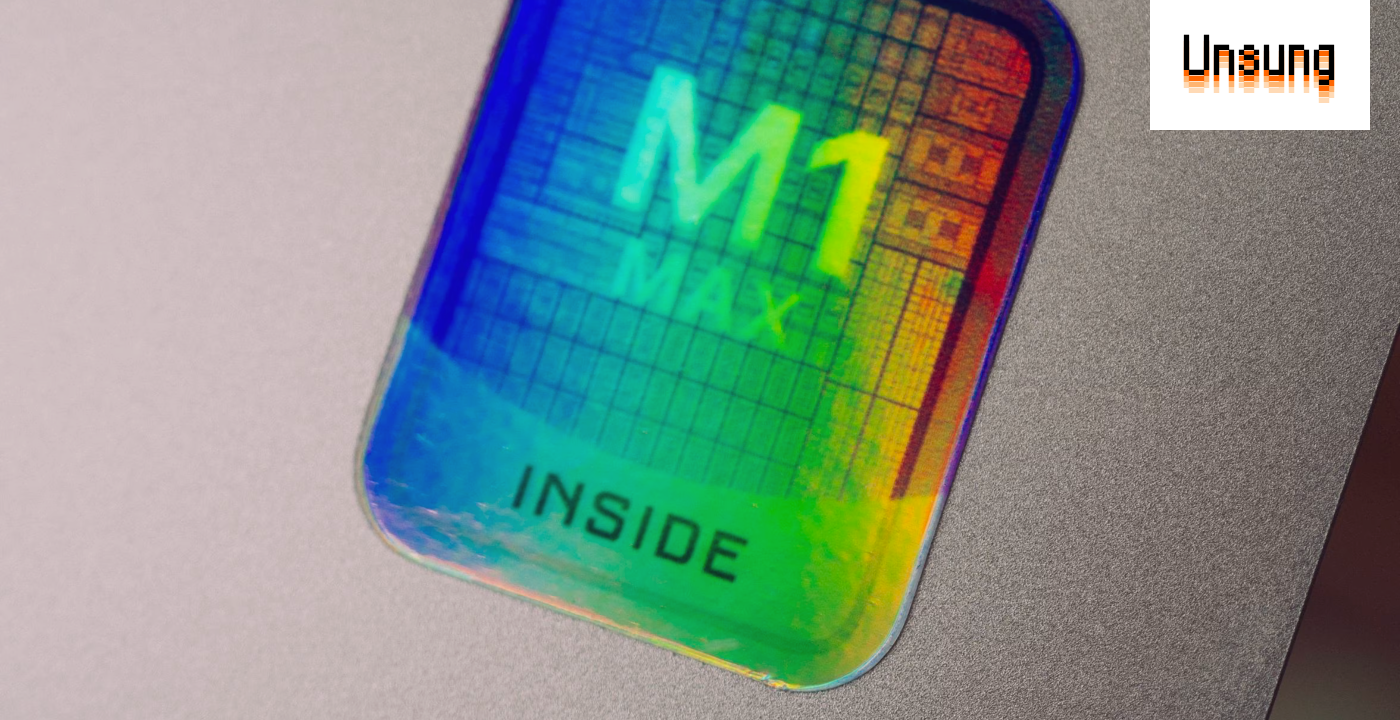
通俗解读:以前苹果产品上干干净净,连英特尔芯片的贴纸都不肯贴,乔布斯还幽默回应“我们更喜欢自己的贴纸”。但如今,从App Store到苹果地图,广告位肉眼可见地增加。这就像你家客厅,本来空无一物,放了一个装饰品觉得还行,结果慢慢堆满了杂物。科技圈把这叫“零一无穷定律”:从零个广告到一个是质变,但从一个到无数个,只是时间问题。同样,手机截图功能从“保存或删除”两个选项,膨胀到五个;浏览器右键菜单也从两三个选择,变成一串列表。
实际影响:这提醒我们,任何产品功能或广告的“小让步”,都可能打开闸门。对普通人来说,这意味着未来你用苹果手机、电脑时,可能看到更多广告,操作界面也可能越来越复杂。我们得留个心眼,别让“方便一下”变成“永远麻烦”。
“Gravity is worth asking about.”
I’ve enjoyed John Gruber’s posts about ads appearing on an increasing number of Apple surfaces: the App Store, Apple News, and – soon, perhaps – Apple Maps. (Just for reference, here’s an example of such an ad.)
In a post earlier this week, Gruber likened ads to stickers on laptops, and shared a fun Steve Jobs story:
That’s what those stickers on PCs are: they’re ads. Intel pays for the “Intel Inside” stickers that booger up PC laptop palm rests. Longtime readers will recall that back in August 2007, Apple held a Town Hall event to introduce new iMacs and some iLife and iWork software updates. In a post-event Q&A (imagine that), Bob Keefe of Cox Newspapers asked “Can you say why you all are not participating in the Intel Inside program, putting the stickers on your new or previous Macs?” This question was so absurd from the perspective of those who covered Apple closely that it prompted outright laughter. […]
The 2007 exchange went as follows:
Keefe: Why are you not participating in Intel Inside program and not putting stickers on your Macs?
Jobs: Uh… what can I say? We like our own stickers better.
(In case it’s not clear, this was a joke; Apple didn’t and doesn’t put any such stickers on their products. They instead used to include Apple logo stickers in boxes.)
In May, Gruber posted about Apple’s ads, too, and brought up the zero-one-infinity rule:
I feel like a variation of Zero-One-Infinity is a good rule of thumb for ads, too. From the perspective of users — and probably developers — zero was the best number of ads for Apple to show in App Store search results. One was worse but acceptable. But now that they’re showing more than one, they’re on their way to infinity. They’ve started down the slippery slope. Remember when Google only showed one ad in search results?
“Slippery slope” is a perfect term. But I wanted to add something here. In my experience, in the realm of UI, there is no middle notch. I’ve seen it time and time again… the moment you open the door to One, Infinity starts exerting its pull:
adding just one setting will send a message that We Do Settings Now and more settings will follow,
one uncomfortable exception followed by weeks of deliberations will inevitably open the door to subsequent mindless exceptions,
one cheap or lazy approach can spread through the interface like rust, subconsciously telling people “cheap and lazy solutions are okay here.”
Here are two examples I’ve been thinking about recently:
This right click menu in Chrome started with just one fork (new window or new tab) – now there are three alts that I have to choose between, every single time, even if I only ever use one option:
This – screenshotting in iOS – was originally just one fork: Save or Delete. Now it’s a staggering five options I have to choose from, every time, even if I never touch four of them:
Once you wedge one thing in the door, it’s really hard to stop. My theory is that this is because digital interfaces are pretty much all infinitely extensible. There will always be a way to add one more button, one more link, one more setting, one more ad. If something doesn’t fit, you make it smaller. If making it smaller looks bad, you add a scrollbar. If a scrollbar doesn’t feel right, there’s always overflow.
Not only is it very hard to create interfaces that have limitations, but a bad decision is not just precedent – it’s code that can be copied and reused. Existing code always had tons of… well, gravity, even before LLMs.
And so, products grow complex without anyone intending them to; a new team adds just one more thing, which in isolation always feels like nothing to worry about. The Hick’s Law, the extra mental load, the weirdnes
分享
阅读原文 ↗