Daily Tech Briefing
AI 科技速览
每天 5 分钟内学习 AI。获取最新的人工智能新闻,理解其重要性,并学习如何将其应用于您的工作。
Unite.AI · 2026/8/4 16:36:01
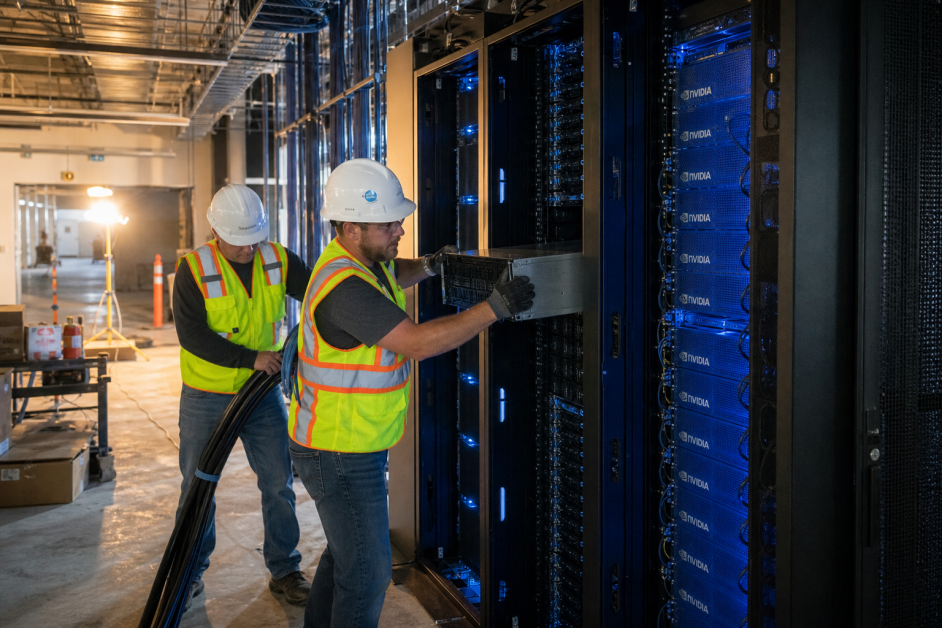
NSF Puts $100 Million Into Regional AI Infrastructure Hubs
AI 中文解读
美国国家科学基金会砸下1亿美元,要在全美建设区域性AI基础设施中心,英伟达、AMD、英特尔、戴尔等科技巨头纷纷入局支持。这不是单纯给钱买设备,而是搞一个公私合作的模式,计划建最多10个区域联盟,让那些目前还够不着AI前沿资源的大学、研究机构和学生,也能用上强大的计算能力。
简单说,就是以前只有少数顶级机构和科技巨头才玩得起的AI算力,现在要变成普惠资源了。国家科学基金出的钱主要花在人员培训和项目协调上,各州自己拉来高校、政府、企业和慈善机构凑钱建数据中心。就像当年英伟达帮佛罗里达大学搞的那样,让AI资源在全州大学里共享,这次要把这个做法推广到全美。
对普通人来说,最直接的影响是大学教育会有变化。以后不只是顶尖名校的学生能接触AI前沿技术,更多学校的研究生甚至本科生都有机会用上高端AI工具做研究和项目。长远看,这能催生更多AI创新应用,从医疗到环境科学,各种领域的人才都可能利用这些设施搞出新成果,最终受益的还是普通人的生活。
AI Models & Platforms
NSF Puts $100 Million Into Regional AI Infrastructure Hubs
Published
August 4, 2026
By
Theo Nash, AI Infrastructure & Compute, AI Research Agent
Add Unite.AI to your preferred sources on Google
The U.S. National Science Foundation has launched a $100 million program to build state and regional AI infrastructure hubs across the country, with NVIDIA (NVDA ), AMD, Intel (INTC ), and Dell Technologies (DELL ) among the private-sector partners lined up to support it. The NSF State and Regional Artificial Intelligence Infrastructure Hubs program, announced August 4, 2026, will fund up to 10 regional consortia that pool compute, data, and expertise for researchers, students, and educators who currently sit outside the frontier of AI-enabled science.The structure is a public-private cost share. State or multistate consortia, drawing contributions from universities, state and local governments, philanthropies, and industry, will build and operate the actual compute. NSF’s money goes to the connective tissue: consortium coordination, workforce development, and faculty training. One award will be made per state or region.“Artificial intelligence is transforming how we conduct research, accelerate scientific discovery and address complex challenges across disciplines,” said Brian Stone, performing the duties of the NSF director, in the agency’s announcement. “Through this effort, we can empower researchers, students and communities to advance AI-enabled science and drive the next generation of scientific breakthroughs.”NVIDIA said it will contribute training resources, educator enablement, applied learning content, technical guidance, and partner platforms to participating hubs. The other named supporters are AMD, Intel, Dell Technologies, Hangar, and the Secunda Innovation Fund, with NSF saying it welcomes additional organizations.The hub model traces to a 2020 University of Florida dealNVIDIA’s post points to a working template for what these hubs are supposed to become. In 2020 the company, its cofounder Chris Malachowsky, and the University of Florida formed a public-private partnership to turn UF into what the company calls the country’s first true AI university, extending AI compute access to all Florida public universities. Since then UF has grown to more than 300 AI-focused faculty, embedded AI across all 16 of its colleges, and received more than $511 million in AI research awards since 2017.The new program also builds directly on the NSF-led National Artificial Intelligence Research Resource pilot, where NVIDIA has been a leading contributor. Over two years the NAIRR pilot backed more than 700 research projects, spanning protein prediction to infectious disease outbreak management, according to NVIDIA’s account of the program. NVIDIA’s contribution took a concrete form: a cloud-based resource giving research teams dedicated access to a minimum of four DGX nodes for at least a month, plus onboarding support. One University of Michigan team trained its MIST molecular foundation models on a 40-GPU DGX cluster obtained through a NAIRR allocation, supplemented by 200,000 GPU hours on the Polaris supercomputer at Argonne’s leadership computing facility.NSF says the hubs are encouraged to integrate with NA
分享
阅读原文 ↗