Daily Tech Briefing
AI 科技速览
每天 5 分钟内学习 AI。获取最新的人工智能新闻,理解其重要性,并学习如何将其应用于您的工作。
Hacker News · 2026/7/31 06:25:48
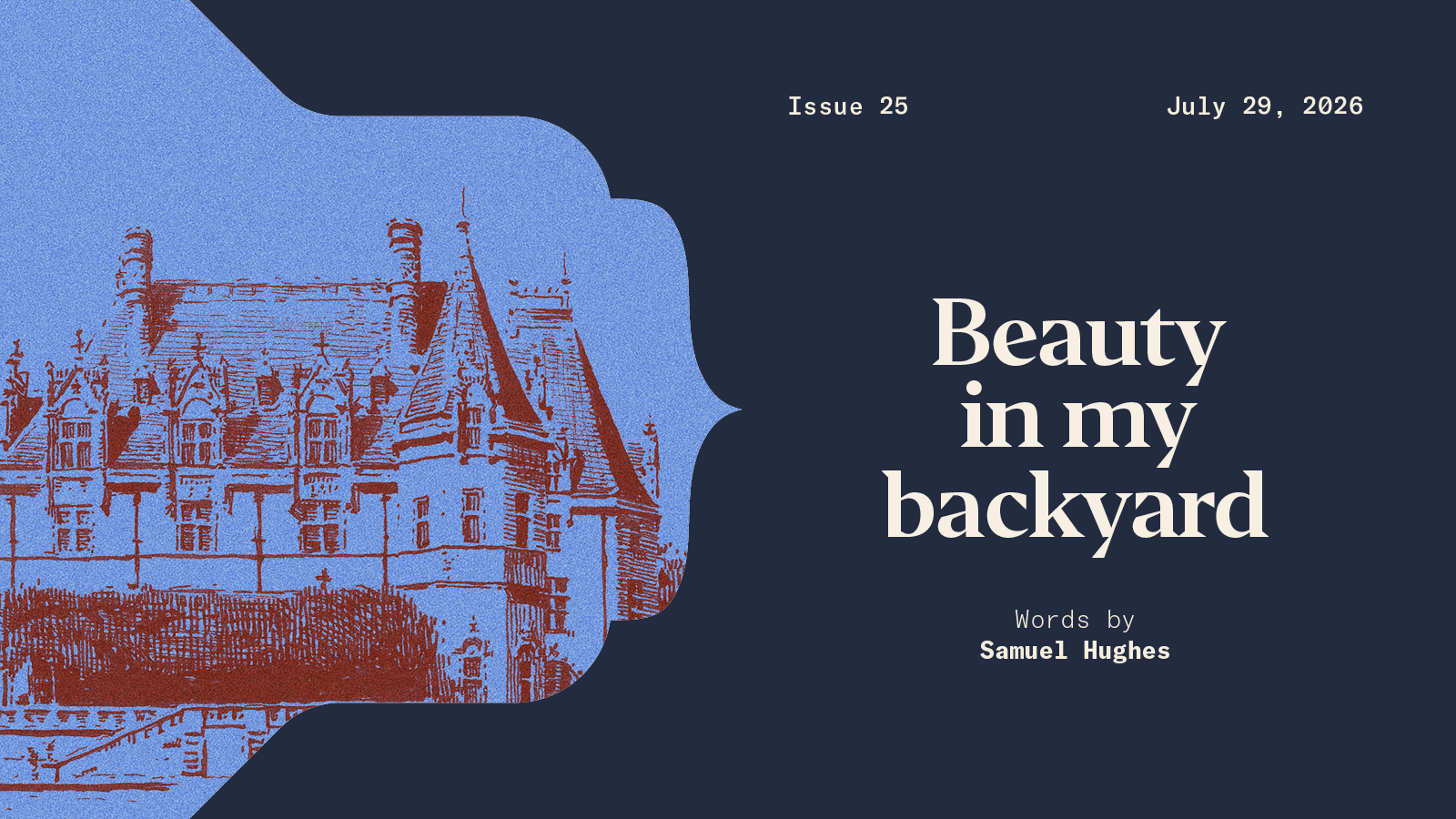
Beauty in my backyard
AI 中文解读
核心亮点:这篇文章提出了一个有趣的观点——城市里那些破旧建筑拆不掉,可能不是因为邻居反对,而是一群远方的陌生人觉得它们太丑了。
通俗解读:西方国家过去允许人们随意建房,现在管得很严,新房子很难获批。很多人认为这是因为新建筑太难看,大家才拼命阻止。但作者指出,真正阻挠建设的未必是住在附近的邻居,而是那些根本不相关的人。他们看到某个地方要盖新楼,凭第一印象就觉得丑,于是随手点个反对。作者把这群人叫做NITBY,也就是“别在那片后院建”的意思。这种情绪在历史建筑保护上尤其明显——很多老建筑被保护起来,不是因为它们特别有价值,而是因为公众对现代建筑的审美偏见太强了。
实际影响:这件事和你的住房成本直接相关。如果审美偏见让新房子建不起来,城市的住房供应就会减少,租金和房价自然被推高。所以下次你吐槽某栋新楼丑的时候,可能也在无意中参与了这场“城市冻结”的游戏。
Western countries used to let landowners build almost anything anywhere. Now, strict rules freeze the character of most neighborhoods, banning change and densification. Why? One theory is that modern buildings tend to be ugly, leading residents to support rules that exclude them from their neighborhoods. If this is true, then designing beautiful buildings could lead to more development. Housing reformists have vigorously debated this theory. Many British reformists are sympathetic, whereas Australian reformists tend to be skeptical, and Americans come down on both sides.I do believe that ugliness plays a role in hindering development, but not in quite the way usually proposed. Ugliness is probably not a major driver of opposition to development by local people. Local opponents have many other concerns that are at least as important, like disruption from construction, loss of green space, pressure on local services, and diminished social exclusivity. But there is strong circumstantial evidence that ugliness is sometimes a major driver of opposition among people who live nowhere near the development in question. The first group are often called ‘NIMBYs’, for ‘Not in my backyard’. Let us call the second group ‘NITBYs’, for ‘Not in that backyard’.
The Works in Progress Newsletter
Get new articles from Works in Progress delivered to your inbox.
Sign up
While a few NITBYs are fervent campaigners, most are only casually interested. Their motives are faint but basically altruistic: their question is whether or not, based on a cursory assessment, a development is an objective improvement to its neighborhood. In certain contexts, the ugliness of a development can summon into being a huge cloud of NITBYs, whose interest in the scheme may indeed be superficial, but who can nonetheless be collectively potent.This model is especially compelling in the case of heritage conservation. Until the 1960s, the redevelopment of historic buildings was almost always permitted; today, it is almost always banned by conservation rules. Supporters of conservationism usually portray it as a response to the destructiveness of postwar planners, while opponents see it as a pretext for suburban NIMBYism. In fact, I shall argue, neither explanation is plausible. On the one hand, postwar planners were no more destructive than the Victorians or Georgians had been: the rate of demolition was historically normal, and cannot explain the wildly unprecedented policy response. And on the other hand, there was no need for NIMBYs to invent pretexts to ban new buildings, as they had already successfully prohibited the kinds of development they disliked in the first half of the century.What had changed, and what generated the host of NITBYs that bore conservationism to victory, was the ascendancy of modernist architecture, a style that most people demonstrably find relatively ugly. Conservationism was a reaction to postwar redevelopment, as its proponents claimed. But it was less a reaction to what the modernists destroyed, than to what they created.
Many people who have never been to Innsbruck may nonetheless regret this development.
Image
Facebook
Ugliness and NIMBYismMost debates about the policy significance of ugliness presuppose a certain model of how it affects housebuilding. On this model, local people resent the prospect of having ugliness inflicted upon them, they therefore oppose ugly developments, and politicians implement antidevelopment policies to placate them. This probably does happen sometimes: ugliness obviously does affect local people, and it would be surprising if this had no effect at all on thei
分享
阅读原文 ↗