Daily Tech Briefing
AI 科技速览
每天 5 分钟内学习 AI。获取最新的人工智能新闻,理解其重要性,并学习如何将其应用于您的工作。
SiliconANGLE AI · 2026/8/4 02:12:17
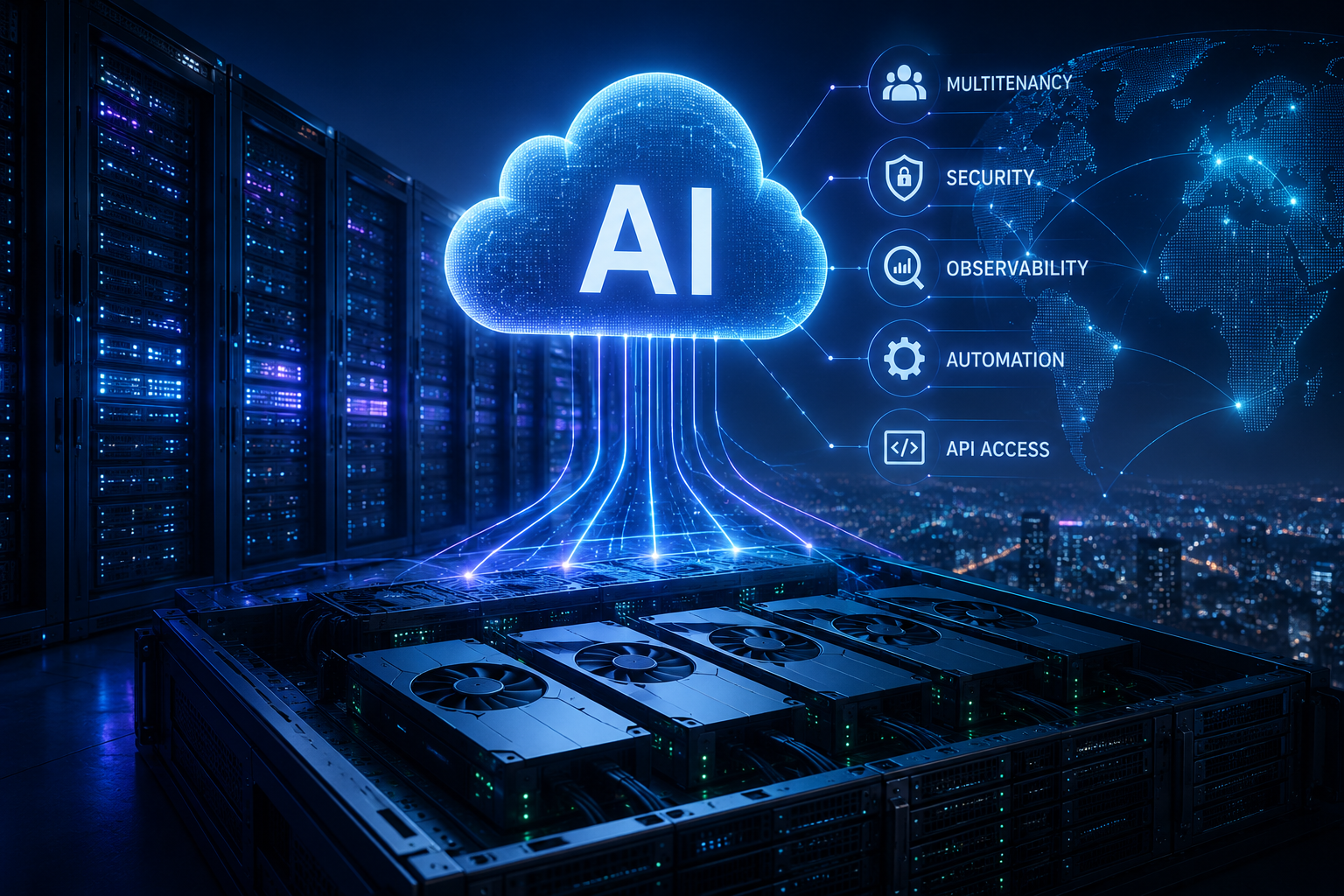
Rafay Systems targets the operating layer of the AI infrastructure boom
AI 中文解读
AI基础设施的风口正在从“囤显卡”转向“卖服务”,Rafay Systems瞄准的正是这个新战场。该公司CEO哈西布·布达尼指出,买来昂贵的GPU不等于开好了云,新玩家们普遍缺乏将算力转化为稳定盈利业务的运营能力。他把“云”定义得很简单:客户登录页面点一下按钮,就能多租户使用AI服务,无需人工介入,否则只是“定制版基础设施”。
这就好比建发电厂不难,难的是一整套电网调度系统。过去AWS、微软、谷歌用数万工程师和十几年才建成的控制体系,如今新兴服务商必须快速搞定,否则巨额设备每天都在贬值,晚开业一天就少赚一天钱。对普通人来说,这意味着AI服务的落地速度会明显加快——企业能以更低成本和更快速度推出AI产品,我们使用的AI工具也会更稳定、更安全、更像即点即用的水电服务,而不是需要技术人员费劲运维的定制项目。
Coverage from SiliconANGLE's livestreaming video studiohelp_outline
UPDATED 22:12 EDT / AUGUST 03 2026
AI
Rafay Systems targets the operating layer of the AI infrastructure boom
by
John Furrier
The AI infrastructure market is moving through a critical transition. The first phase was about acquiring graphics processing units and standing up capacity. The next phase is about turning that expensive hardware into a secure, reliable and profitable cloud service.
That is where Rafay Systems Inc. sees its opportunity.
In my recent conversation with Haseeb Budhani (pictured), co-founder and chief executive officer of Rafay Systems, we examined the operational pressure facing neoclouds, sovereign cloud providers, telecommunications companies and enterprises as they deploy increasingly large AI systems.
The demand is unprecedented. Providers are buying infrastructure at massive scale, often with customers already waiting for capacity. But buying GPUs does not create a cloud. Operators still need orchestration, networking, security, multitenancy, observability, auditing and a developer experience that lets customers consume infrastructure without a lengthy manual process.
The central issue is time to revenue. AI infrastructure is expensive, depreciates quickly and must begin generating returns as soon as possible.
“End of the day, the thing that matters most is faster time to market and a better user experience,” Budhani said. “And if you can deliver both of those things, everybody wins.”
I recently spoke with Budhani during an exclusive CUBE Conversation to discuss the software and operational requirements behind large-scale AI infrastructure, the rise of sovereign and neocloud providers and the pressure to turn GPU capacity into revenue. (* Disclosure below.)
AI infrastructure must become a service
Budhani’s definition of a cloud is straightforward: Customers should be able to visit a portal or use an application programming interface, press a button and receive an AI service in a multitenant environment.
“My definition of a cloud is where you must be able to go to a cloud provider’s page, click a button, and get an AI use case in a multi-tenant fashion,” he said. “I don’t want to talk to anybody. If you can do that, you’re a cloud. If you can’t do that, you’re not a cloud. You’re custom infrastructure.”
That distinction matters because many emerging AI providers are still building the operational capabilities that Amazon Web Services Inc., Microsoft Corp. and Google LLC developed over more than a decade. The hyperscalers had thousands of engineers and years to build their control planes. Today’s AI clouds may have only months.
They cannot afford to rebuild every layer themselves.
Rafay’s role is to provide the operating software between the hardware and the customer experience. The company helps providers expose bare metal, Kubernetes environments, virtual machines, serverless services, open-source models and token-based offerings through a common platform.
“The right AI cloud in this day and age, they do all of these things,” Budhani said. “It’s not just about bare metal or not just about Kubernetes or VM or tokens. It’s everything.”
That breadth allows an AI cloud to serve multiple customer segments. A large model developer may want Kubernetes. Another customer may want bare metal. An enterprise developer may expect a serverless experience, while another organization may simply want to purchase and distribute tokens.
The economic model improves as providers move higher in the stack. Bare-metal capacity may generate predictable revenue, but managed services and toke
分享
阅读原文 ↗