Daily Tech Briefing
AI 科技速览
每天 5 分钟内学习 AI。获取最新的人工智能新闻,理解其重要性,并学习如何将其应用于您的工作。
SiliconANGLE AI · 2026/8/4 02:51:19
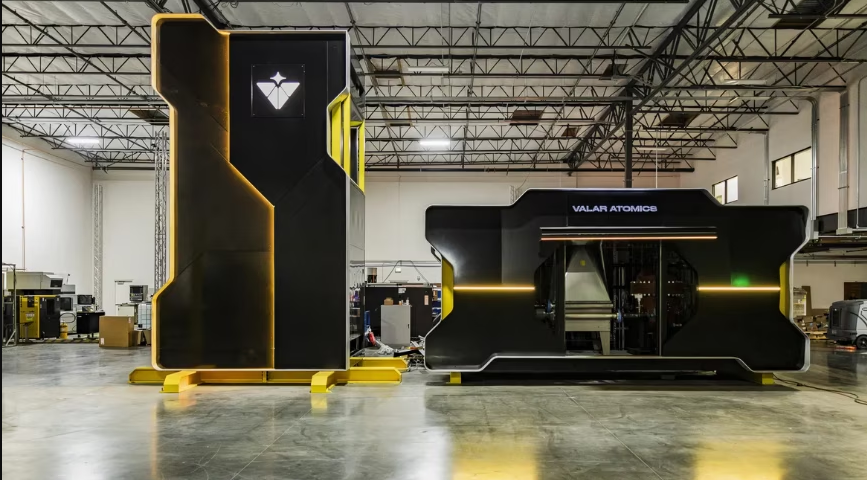
After raising $1B in funding, Valar Atomics plans to mass produce small nuclear reactors for the AI industry
AI 中文解读
【After raising $1B in funding, Valar Atomics plans to mass produce small nuclear reactors for the AI industry】UPDATED 22:51 EDT / AUGUST 03 2026
EMERGING TECH
After ...
UPDATED 22:51 EDT / AUGUST 03 2026
EMERGING TECH
After raising $1B in funding, Valar Atomics plans to mass produce small nuclear reactors for the AI industry
by
Mike Wheatley
Nuclear energy startup Valar Atomics Inc. said today it has raised a bumper $1 billion Series B funding round to help it move from building prototype small nuclear reactors to manufacturing them at scale on a production line.
Today’s round was led by Sequoia Capital and saw participation from nine other venture capital firms, including Valor Equity Partners and Conviction. In addition, Valar said it has also secured a separate $200 million credit facility from Erebor, J.P. Morgan, Crescent Cove and Hercules Capital.
Valar Atomics founder and Chief Executive Isaiah Taylor said the investment will help the company to change what it does, rather than what it designs. It can now shift from “demonstrating the operability of an integrated reactor system to producing fleets of them en masse,” he told Bloomberg in an interview. The startup intends to build hundreds of small modular reactors, known as SMRs, which are basically miniaturized power plants, on production lines, similar to how cars are manufactured. Building them this way will be much faster and cheaper than the traditional way power plants are constructed, it says.
In June, Valar Atomics partnered with Nvidia Corp. to demonstrate the effectiveness of its small Ward-250 test reactor, which was installed in a data center and used to power Blackwell graphics processing unit running artificial intelligence workloads. “This marked the first and only time that an advanced reactor has directly powered AI infrastructure, and was the first time in history a startup generated nuclear power,” Taylor wrote in a blog post announcing today’s round.
Following that demonstration, Valar announced an expanded partnership with Nvidia to build a complete 30-megawatt nuclear-powered AI facility in Utah. The reactor’s design integrates a closed-loop cooling system that could reduce the facility’s water usage from around 2.6 million gallons per megawatt per year to just a few hundred gallons. Taylor told Bloomberg that the startup’s SMR development lifecycle is speeding up exponentially, as it implements the lessons learned in building them to improve its processes. “It took two years to complete the NOVA core, then it took seven months to take Ward 250 critical,” he said of the company’s first two SMRs.
“With each reactor built, the tick rate will become smaller until Valar is producing tens, hundreds and then thousands of reactors per year,” he added.
The idea is that Valar will eventually establish a giant factor that’s able to churn out SMRs that can then be delivered directly to data centers, industrial sites and other facilities that need a reliable energy source. The company believes its modular approach can dramatically reduce the costs in a nuclear energy industry that’s renowned for budget overruns and project delays. It’s an idea that’s also being pursued in China and in Russia, where state-backed corporations have already gotten the small power plants up and running. But to date, there are none in service in the U.S.
Taylor says the rise of AI and its massive power demands have added a sense of urgency to the company’s mission, which is why today’s round is such a critical milestone for his company. “AI is building very quickly, and we need a lot of power in every direction,” he insisted. “This is really about scale for us, this is the firepower that we need to go and build.”
It’s notable that Valar isn’t alone in trying to build fleets of SMRs that can power the AI factories of the future, In fact, it’s just one
分享
阅读原文 ↗