Daily Tech Briefing
AI 科技速览
每天 5 分钟内学习 AI。获取最新的人工智能新闻,理解其重要性,并学习如何将其应用于您的工作。
Unite.AI · 2026/8/3 16:59:12
Zenity Raises $125 Million as Enterprises Confront the Security Risks of Autonomous AI Agents
AI 中文解读
融资1.25亿美元!一家名为Zenity的安全公司突然火了,专治AI“闯祸”。这是因为企业正把AI从陪聊的聊天机器人升级成能干活的“数字员工”——能自己访问数据库、调用软件、发消息、开流程。危险也随之而来:万一AI权限过大会怎样?被黑客使坏会怎样?Zenity就是给这些AI“数字员工”做背景调查和行为监控的,查它们的权限配置、操作记录,确保不出乱子。连软银、英特尔都追着投钱,可见这事多紧迫。以前AI顶多说错话,现在能直接办错事,相当于从“纸上谈兵”变成“实弹演练”。对企业来说,有了这套安全护栏,才敢放心让AI接手真业务,不用整天提心吊胆。对普通人来说,将来你手机里的AI助手能帮你订机票、办退款、管账本,而不用怕它权限太大乱操作,靠的就是这层技术保障。AI干活,人类放心,这就是这笔钱真正的价值所在。
Funding
Zenity Raises $125 Million as Enterprises Confront the Security Risks of Autonomous AI Agents
Published
August 3, 2026
By
Antoine Tardif, CEO & Founder of Unite.AI
Add Unite.AI to your preferred sources on Google
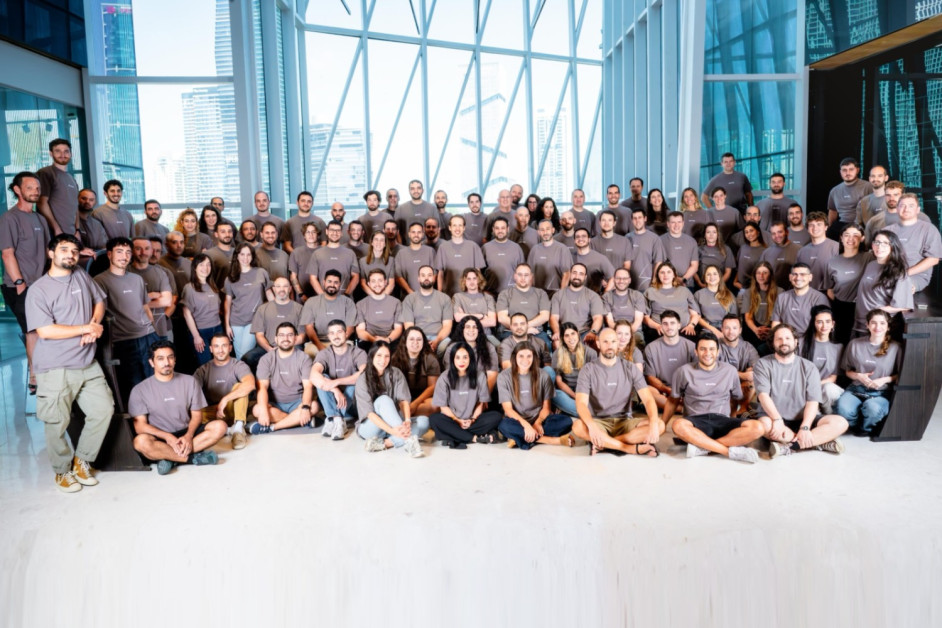
Zenity Team. Photo by Yael Becker.
Zenity has raised $125 million in Series C funding as businesses move artificial intelligence agents from controlled experiments into systems capable of accessing data, invoking software tools and completing operational tasks.Norwest led the round, with Qumra Capital, SoftBank Vision Fund 2, Hitachi Ventures and LG Technology Ventures joining as new investors. Existing backers Vertex Ventures, Third Point Ventures, DTCP and Intel Capital also participated. The company did not disclose its valuation.The financing follows Zenity’s $38 million Series B in October 2024 and brings the company’s disclosed funding to at least $180 million.From AI Experiments to Autonomous SystemsThe size of the round reflects a broader change in how enterprises are adopting AI. The initial wave of generative AI primarily involved employees interacting with chatbots to produce text, summarize documents or retrieve information.AI agents introduce a different level of risk because they can take action. Depending on their permissions, agents may access internal databases, call application programming interfaces, update records, execute code, send messages or initiate workflows spanning multiple enterprise systems.This shifts the security problem beyond whether a model produces an inappropriate response. Organizations must also understand which agents have been deployed, who controls them, what information they can reach and what actions they are authorized to perform.An agent can behave exactly as designed while still creating a security incident if it has excessive permissions, encounters manipulated information or interprets an attacker’s instructions as part of a legitimate task.Zenity describes this as an “agent-layer” problem. Its platform is designed to examine an agent’s configuration, permissions, connected tools, memory and runtime actions rather than looking only at the prompts entering a model or the responses it generates.How Zenity Secures AI AgentsZenity divides its platform into three principal areas: observability, security posture management, and detection and response.The observability component discovers and inventories agents operating across an organization. This includes agents embedded in software-as-a-service platforms, internally developed agents running in cloud environments and local tools installed on employee devices.The objective is to give security teams a continuously updated picture of each agent’s owner, configuration, permissions, integrations and runtime behavior. This is becoming increasingly important as individual departments and employees gain the ability to create agents without going through a conventional software development or security review process.Zenity’s governance layer evaluates configurations and permissions before an agent enters production. Policies can be used to identify excessive access, unsecured integrations or tools that could allow an agent to operate beyond its intended role. The platform can continue checking
分享
阅读原文 ↗