Daily Tech Briefing
AI 科技速览
每天 5 分钟内学习 AI。获取最新的人工智能新闻,理解其重要性,并学习如何将其应用于您的工作。
SiliconANGLE AI · 2026/7/30 23:43:51
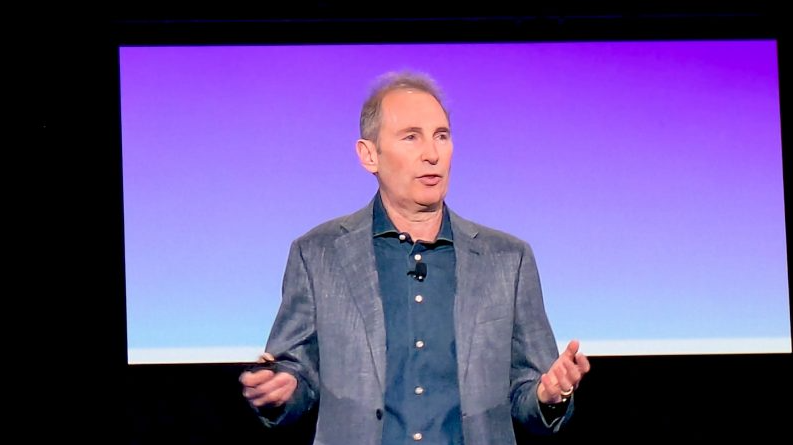
Amazon’s stock pops on roaring cloud growth and soaring AI demand
AI 中文解读
亚马逊财报大超预期!云业务增速创近年新高,AI需求成了最大功臣。简单来说,亚马逊这次赚翻了,每股收益5.75美元,直接碾压华尔街预测的1.82美元,一口气多出来的近530亿美元收益,主要来自它投资的AI公司Anthropic估值上涨。云服务AWS收入增长了37%,是2021年以来最快速度,全靠企业疯狂抢购AI相关服务。尤其亚马逊自己研发的Trainium和Graviton芯片正在替代昂贵的英伟达GPU,帮云客户省钱,也帮自己赚得更多。这对普通人来说,意味着AI应用成本会越来越低,未来用上更智能的语音助手、图像识别、自动化办公工具都会更便宜、更普及。企业也能更灵活地部署AI,不用被一家芯片厂商卡脖子,整个行业会更活跃、竞争更充分。
UPDATED 19:43 EDT / JULY 30 2026
CLOUD
Amazon’s stock pops on roaring cloud growth and soaring AI demand
by
Mike Wheatley
Amazon.com Inc. delivered a solid earnings and revenue beat as it posted its second-quarter financial results, driven by surging growth in its cloud infrastructure business. Demand for artificial intelligence was the primary factor in that growth, causing the company to boost its capital expenditure forecast once again.
The company reported a stunning earnings beat. It posted a profit of $5.75 per share, crushing Wall Street’s forecast of just $1.82 per share, thanks mainly to a $53 billion boost in non-operational income that stemmed from an unrealized gain on its stake in the AI lab Anthropic PBC. Revenue for the period came to $200.61 billion, up 20% from a year earlier and well ahead of the $196.47 billion forecast.
All told, Amazon delivered net income of $62.6 billion, including the pre-tax income derived from its investment in Anthropic. That’s up from a net profit of just $18.2 billion one year ago.
Amazon’s cloud computing business, Amazon Web Services, contributed $42.2 billion in revenue, above the Street’s $40.54 billion forecast and up 37% from the same period one year ago. That marked the unit’s fastest growth since 2021, said Amazon Chief Executive Andy Jassy.
Investors were especially keen to see AWS deliver stronger growth after the company’s main rivals in the public cloud infrastructure industry delivered strong results of their own. Last week, Google LLC parent company Alphabet Inc. reported growth of 82% for Google Cloud, while Microsoft Corp.’s Azure cloud revenue jumped 43% during the company’s fourth quarter.
Jassy told analysts on a conference call that AWS is “booming,” primarily due to the rapid growth of its AI services and its homegrown chips, which both reached a $25 billion annual revenue run rate. AWS has been heavily promoting its Trainium and Graviton chips as alternatives to Nvidia Corp.’s graphics processing units, and they have become a massive growth driver for the cloud business. Meanwhile, AI platforms like Amazon Bedrock have become key to many enterprise’s AI development efforts.
Rebecca Wettemann, an analyst at Valoir, told SiliconANGLE that Amazon first began investing in its homegrown chips to insulate itself from a dependence on Nvidia, and has since leveraged those investments to diversify its cloud business. “It’s part of an industry-wide hedge to make hyperscalers less dependent on other chipmakers,” she said. “As the market swings back and forth between loving and hating picks and shovels, companies that own more of their AI stick should be better positioned regardless of which way the market winds are blowing on a particular day.”
The market liked what it saw, and Amazon’s stock gained more than 9% in late trading. With those gains, it has now recovered from all of its losses and is up 2% in the year to date.
Investors were even prepared to forgive Amazon’s decision to increase its capital expenditures forecast. The company said it’s planning to spend even more on AI infrastructure than it first envisaged, and bumped up its capex forecast to $220 billion this year. Back in February, Jassy had told investors that the company’s capex would likely total $200 billion, before holding steady on that forecast in April. However, with the rising cost of things like memory chips, which are vital components of AI servers, the company has had no choice but to increase its budget. Jassy said the company’s spending spree isn’t going to dry up anytime soon. “Even at that amount, we will still not have enough capacity to meet all the demand we have in 2026, and I believe th
分享
阅读原文 ↗