Daily Tech Briefing
AI 科技速览
每天 5 分钟内学习 AI。获取最新的人工智能新闻,理解其重要性,并学习如何将其应用于您的工作。
Hacker News · 2026/7/30 01:35:10
A pharmacy chain in Vermont implemented AI for efficiency
AI 中文解读
AI进药房,本想提高效率却惹来一堆麻烦,客户抱怨连连。美国佛蒙特州的Kinney Drugs药房今年夏天引入了一款AI语音助手来处理处方续药,原本是想让患者更方便、流程更高效。结果却变成了每天电话骚扰:AI说话含糊不清,经常报错药名,甚至给客户重复配发不需要的药物。一位客户稀里糊涂批准了续药请求,结果家里囤了四瓶自己只需每周吃两次的药。还有客户反映系统找不到账户、订错剂量、取货通知也迟迟不来。更让人担心的是,隐私问题随之浮出水面——AI处理敏感药品信息,却缺乏明确的法律监管。虽然佛蒙特州刚通过了新数据隐私法案,但要两年后才生效,律师们认为当前法律保护薄弱。面对这种混乱,有些客户干脆换药房,而住在偏远地区的人别无选择,只能继续使用这个他们已不再信任的AI工具。
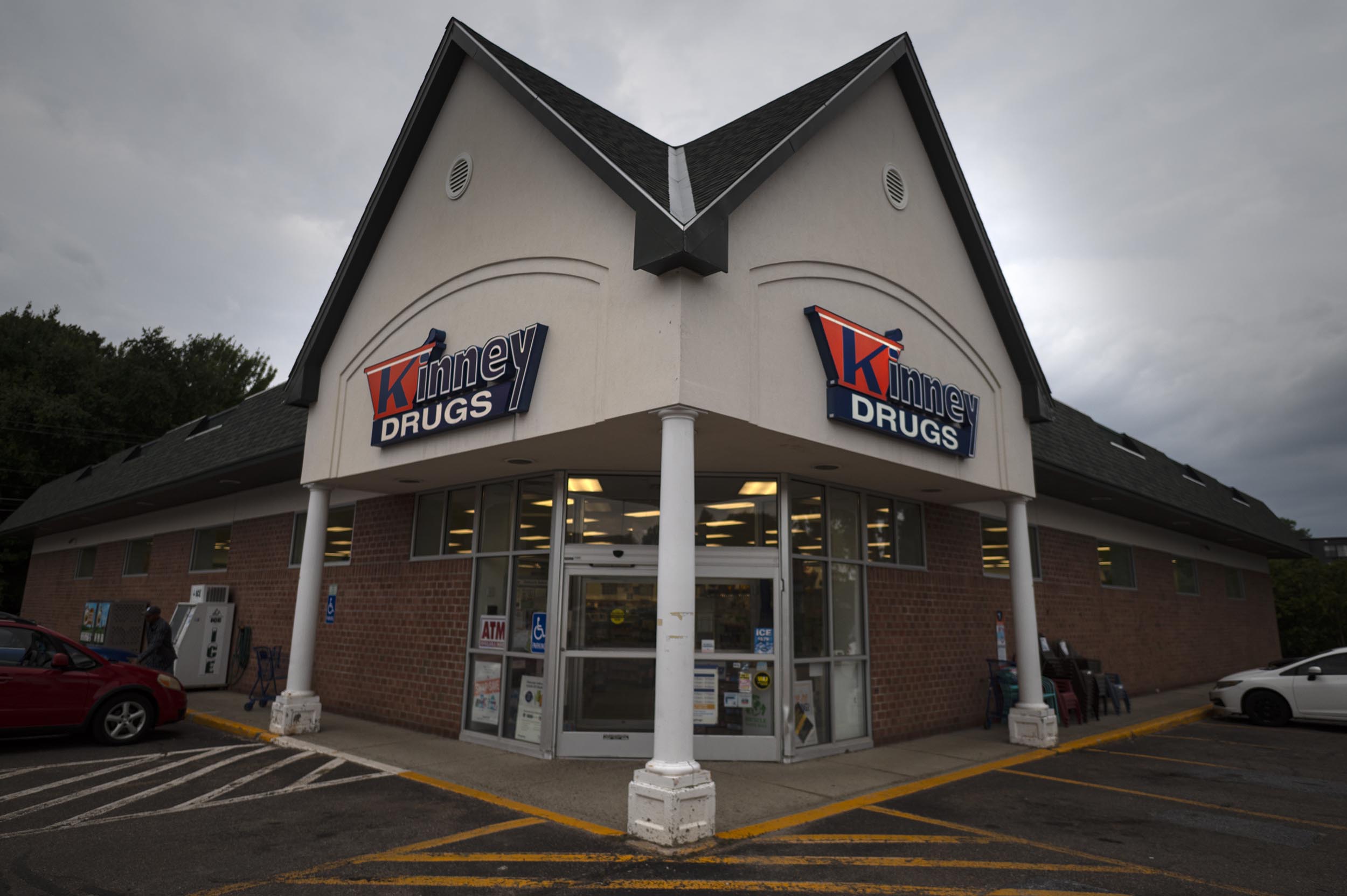
Kinney Drugs in Essex Junction on Tuesday, July 21, 2026. Photo by Glenn Russell/VTDigger
In voicemails, spam folders and text messages across Vermont, an artificial intelligence tool is filing through years of pharmaceutical records, incoherently listing drugs and requesting the wrong refills on sensitive medication.
And customers often have no idea they agreed to it.
“He calls you all the time, and he doesn’t say what the drug is,” said Kathy Callaghan, a Vermont customer of Kinney Drugs, referring to a new AI tool recently put to use by the Vermont and New York pharmacy chain.
Nearly every day, she recalled, her phone rings, and she hears an incomprehensive mutter of a drug from the AI voice. Confused, she approves the refill order, thinking the request is legitimate and she really is out of a prescription.
So far, it hasn’t been, she said.
“I’ve got four bottles of something that I take twice a week sitting here,” Callaghan said.
Earlier this summer, amid a nationwide wave of AI technology entering healthcare systems, Kinney Drugs implemented a new AI assistant for prescription refill services, lauding the tool as a way to improve communication and efficiency. But customers say it’s doing the opposite.
According to nearly a dozen Kinney Drugs customers across its stores in Vermont and New York who spoke to VTDigger, the AI rollout has coincided with a range of problems. Delays have grown between physicians ordering drugs and the pharmacy processing them. The system has been unable to locate longtime customer accounts, has ordered incorrect dosages and has failed to notify customers when refills were ready for pickup. And these inaccuracies are raising privacy concerns amongst customers.
Their mounting frustrations toward the AI is leading some customers to leave the pharmacy entirely, they said, and forcing others to continue using a system they distrust due to a lack of pharmaceutical options in rural areas.
As AI pops up in healthcare systems across the country, several lawyers told VTDigger that the technology is outpacing regulation, leaving consumer protections thin.
“There’s a delay in laws that are coming onto the books, so we’ve not seen a detailed picture of how companies are going to comply or how states are going to enforce the laws,” said Cody Venzke, a senior staff attorney at the ACLU.
In Vermont, a new data privacy bill, S.71, signed by Gov. Phil Scott on June 16, takes effect in two years. That delay creates a gap in compliance to a bill that privacy advocates say is already too weak to protect consumers.
“Even if it were in effect, I’m not sure that it would necessarily cover the situation,” said Ryan Kriger, a Vermont lawyer and resident who testified on the bill.
‘No value, no benefit’
Kinney Drugs implemented the AI virtual assistant for patient communication and refill services in May. Soon after, its customers began to experience problems, they said.
“My first impression was it was just more complicated and cumbersome than the previous recording and service,” said Matt Penney, who’s been receiving medication at a Kinney Drugs in Vermont for around two years.
Previously, to refill a prescription at Kinney Drugs, a customer would call a prompt-based, touch-tone, phone system that would give them the opportunity to navigate a keypad to reach a pharmacist. Customers who spoke to VTDigger said this old system worked smoothly, and they had no problems.
Not so much with the new system, they said.
“It’s just something that wastes time and delays customer service. As far as I’m concerned, it has absolutely no value, no benefit to the customer,” Vermont Kinney Drugs customer Dave Bellini said.
The AI assistant, which Kinney Drugs named Burt, after its founder, was built by third-party AI pharmaceutical company, Synerio. In the pharmacy’s terms, Kinney Drugs states that “Burt may not be accurate, complete or up-to-date and may be misleading or contain errors and omiss
分享
阅读原文 ↗