Daily Tech Briefing
AI 科技速览
每天 5 分钟内学习 AI。获取最新的人工智能新闻,理解其重要性,并学习如何将其应用于您的工作。
Unite.AI · 2026/7/29 14:36:32
groundcover Raises $100 Million Series C to Scale AI-Era Observability Platform
AI 中文解读
**核心亮点**:AI监控领域的新星groundcover刚拿到1亿美元C轮融资,要解决AI应用越复杂、传统监控越抓瞎的难题。
**通俗解读**:现在很多AI产品(比如聊天机器人、自动客服)背后依赖大量代码和云服务,运行中会产生海量“体检数据”(日志、指标、追踪记录)。传统监控工具为了省钱常会抽样或删减数据,但这就像体检时只查一部分指标,可能漏掉关键病因——尤其当AI自己出bug或产生幻觉时,工程师需要完整信息才能定位问题。groundcover的做法是不丢弃任何数据,让监控系统像“全身体检”一样清晰,甚至能让AI自己分析这些数据来修复故障。
**实际影响**:以后你用的AI应用会更稳定可靠。比如购物网站的AI推荐突然不准了,工程师能立刻找出原因(是模型算错了还是数据库卡了),而不是等用户投诉完才修复。对企业来说,这笔钱省下的运维成本,最终也会让AI服务的价格更亲民。
Funding
groundcover Raises $100 Million Series C to Scale AI-Era Observability Platform
Published
July 29, 2026
By
Antoine Tardif, CEO & Founder of Unite.AI
Add Unite.AI to your preferred sources on Google
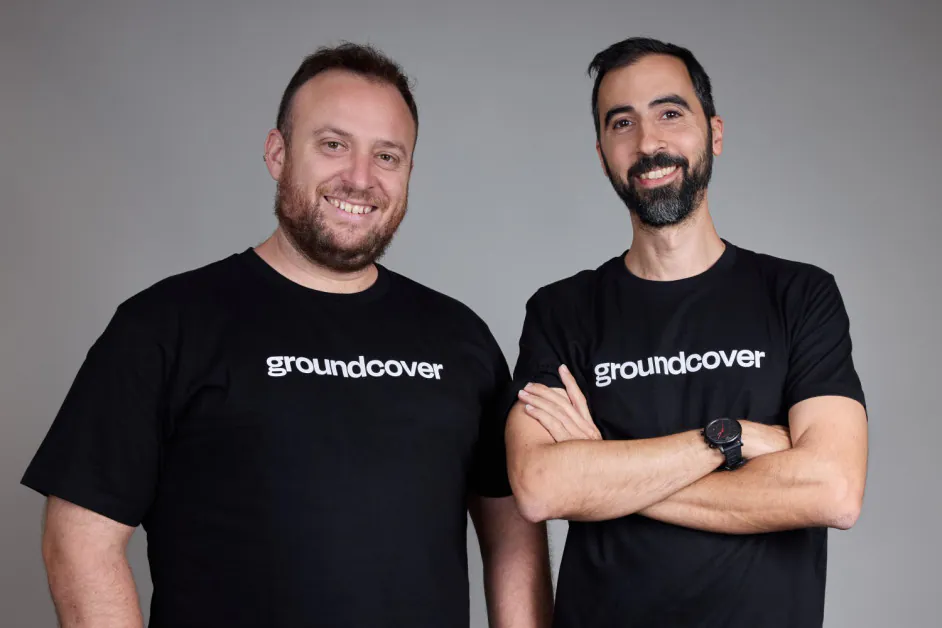
Co-Founders: Yechezkel Rabinovich (CTO), and Shahar Azulay (CEO).
Cloud observability company groundcover has raised $100 million in Series C funding as it looks to expand a platform designed to help engineering teams and AI agents understand increasingly complex production environments.The round was led by One Peak, with participation from Morgan Stanley Expansion Capital (MS ) and existing investors Zeev Ventures, Angular Ventures, Heavybit and Jibe. It brings groundcover’s total funding to $160 million.The financing follows a year in which the company says it tripled annual recurring revenue, doubled its global workforce and surpassed 250 paying customers. Its customer base now ranges from early-stage startups to Fortune 5 enterprises, while the company also reports signing multiple seven-figure contracts over the past 12 months.Observability Faces an AI-Driven Data ProblemObservability platforms collect and analyze signals such as logs, metrics and traces to help engineering teams understand how applications and infrastructure behave in production.That task is becoming more difficult as cloud-native systems expand and companies introduce large language models, autonomous agents and increasingly interconnected application stacks. AI applications can generate telemetry across prompts, model responses, tool calls, databases, APIs and the infrastructure supporting each interaction.Greater visibility can help engineers identify hallucinations, performance degradation, failed tool calls and security risks. However, collecting that context can also substantially increase the volume and sensitivity of the data flowing into observability systems.Traditional platforms often manage these costs by sampling or filtering telemetry. This can make the underlying data more manageable, but it may also remove the precise information needed to reconstruct an incident. The limitation becomes especially important when AI agents are expected to investigate problems or recommend changes without continuous human direction.groundcover is positioning its architecture as an alternative to this model, combining kernel-level data collection with storage inside the customer’s own cloud environment.How groundcover’s BYOC Architecture WorksAt the center of the platform is a bring-your-own-cloud, or BYOC, architecture. Instead of transferring all observability data into a vendor-operated Software-as-a-Service environment, groundcover deploys its data plane within an isolated account in the customer’s cloud.Logs, infrastructure metrics, custom metrics, traces and Kubernetes events can therefore remain within the customer’s infrastructure. A separate control plane manages the platform but is isolated from production workloads and telemetry at the network level, according to groundcover’s architectural documentation.This arrangement is intended to give customers a managed software experience while preserving greater control over data residency, privacy and security. That can be particularly relevant for AI workloads, where obs
分享
阅读原文 ↗