Daily Tech Briefing
AI 科技速览
每天 5 分钟内学习 AI。获取最新的人工智能新闻,理解其重要性,并学习如何将其应用于您的工作。
HackerNoon AI · 2026/7/22 06:12:33
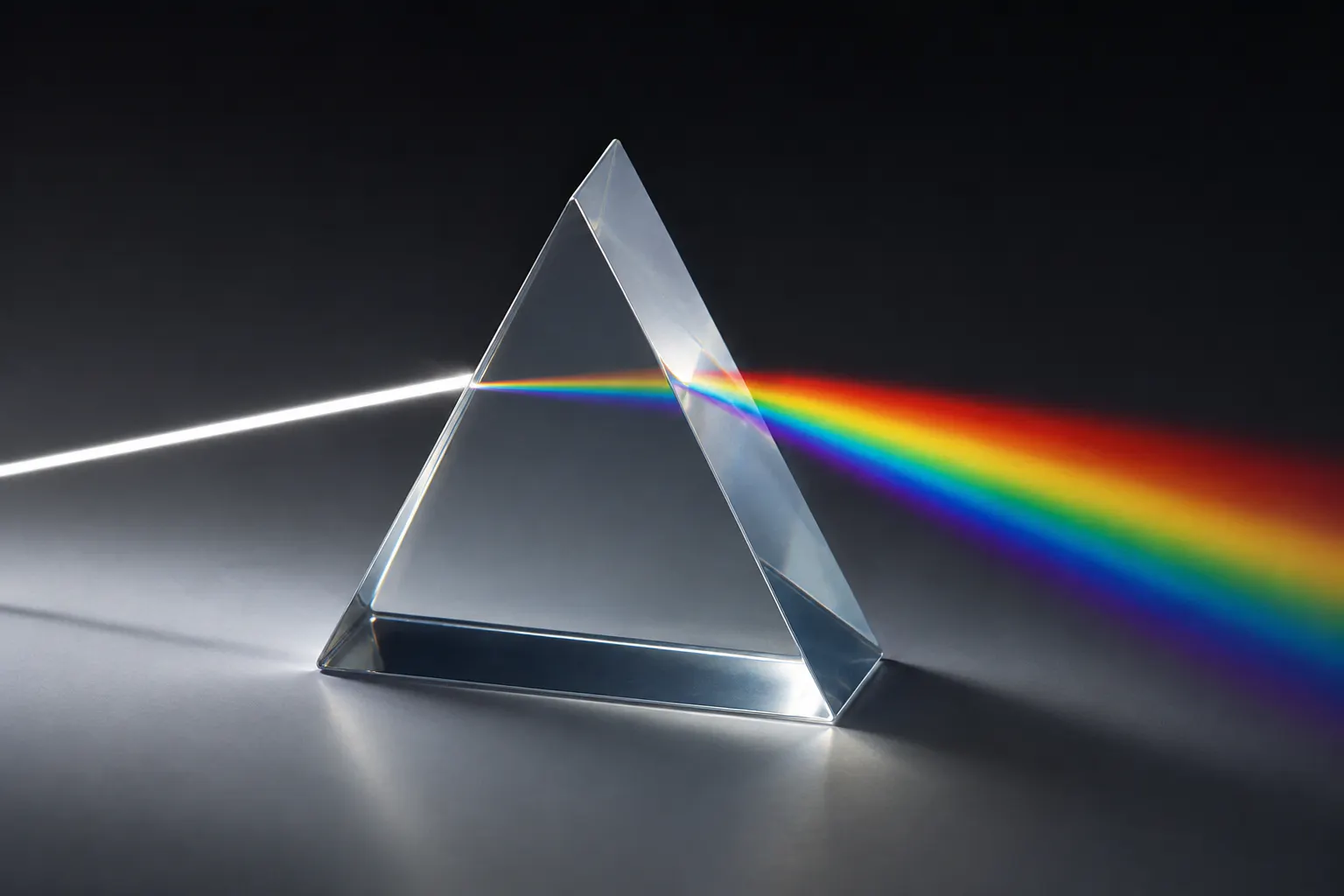
What Does a Machine See When It Sees Colour?
AI 中文解读
一个色盲程序员,却在探讨机器如何“看”颜色——这听起来矛盾,却恰恰揭示了AI视觉与人类视觉的本质差异。
我们人类给颜色起了一堆花里胡哨的名字,比如“蒂芙尼蓝”或“牛油果绿”,但机器眼里根本没有这些概念。它看到的,只是红、绿、蓝三原色通道的数值组合——比如一个像素点(200, 100, 50)就是一个颜色。机器学习模型就像个“打标签机器”,它不管这个颜色叫“青”还是“碧”,只靠计算数值之间的距离来区分:哪些数值更接近红色,哪些更接近蓝色。这跟人类依靠锥状细胞感应波长完全不同,机器没有“感觉”,只有数学对比。
理解这一点,对我们生活很有启发。当你用手机相册搜“粉色裙子”,AI其实是在比对数千个像素的数值模式,而不是真的“看到”粉色;自动驾驶识别红绿灯,靠的也是精确的数值阈值,而不是“红灯停”的常识。更进一步,如果你知道AI用数值看颜色,就能避开一些坑:比如色盲用户设计的模型,可能会把某些红色和绿色混为一谈,影响医疗影像或安全识别的准确率。说到底,机器看颜色的“笨方法”,提醒我们别高估AI的感知能力,它是计算,不是理解。
Discover AnythingSignupWrite New StoryWhat Does a Machine See When It Sees Colour?byAbdullahbyAbdullah|@navigatingnoiseMachine Learning Engineer at DPDI'm a technical pragmatist who started with broken PCs and now builds ML systems that ship to millions.SubscribeJuly 22nd, 2026TLDR Your browser does not support the audio element.Speed1xVoiceDr. One Ms. Hacker byAbdullah@navigatingnoisebyAbdullah|@navigatingnoiseMachine Learning Engineer at DPDI'm a technical pragmatist who started with broken PCs and now builds ML systems that ship to millions.SubscribeStory's CredibilitybyAbdullah|@navigatingnoiseMachine Learning Engineer at DPDI'm a technical pragmatist who started with broken PCs and now builds ML systems that ship to millions.SubscribeStory's Credibility
To understand algorithms that control our digital life, we must first understand how they percieve what we call reality.
Everything I write, it is written to draw either a parallel to machine learning, or directly about it. In this series - not really sure how many pieces will fall under it - we will tackle various beliefs and assumptions, short and sweet, with the hope that we either strengthen our understanding or simply revisit what we already know. The series is basically going to be: what is X?This is the first piece in that, and I hope it does not turn out to be complete shite.
Rant
There is a bit of irony in writing this piece though - I am colorblind. To be specific, I am Deutan. This means I struggle with green-red. In the complete absence of green cones green looks beige and red and orange Brown. Yellow and green appear more red if there is a deficiency. Purple and blue also look similar.
But no one better than me to write/rant about colours as well, no?
I have often wondered why we have the insane naming convention for colours. Quite often, I fallback to say well why say teal when you can say its blue and green, cuz I can see it is blue and green, why must I remember it is teal? Why should I remember these useless names.
Its a color, and its giving blue, and its also giving green, so its from blue-green family, yes I can see why it is not completely blue and yes it is not completely green, but it is still from the blue family, and it is still from the green family. And it is closer to being blue than it is to being green (but thats just me)
my comment on the colour ‘Teal’
We humans love breaking things down and giving them names, because it enables higher functionality for us. We have broken colors down to Red, Green, Blue as primary, and then we’ve got secondary colours, and this wasn’t enough so we said hey you know what we want another name and we have Tertiary colours too.
To the model that is being trained to name the colours, how is it viewed - better still to ask: how does it discriminate between different colours?
But before we start off in that direction, lets first make fun of colours.
Understanding Colours
First off, what are colours? Colours are simply our eyes percieving the different wavelengths of light, simulating the cone cells in our eyes. Do you realize what this means? It means two people that can percieve the full spectrum can still see the same color differently. We taste the same food differently, we hear the same music differently, and indeed, we see the same colour differently. This is not obvious until you notice how people percieve the world around them, so go out, touch grass, and make friends, and you will truly appreciate the uniquness of each human being.
An excellent article from Pavilion
I realized this once, then twice, and then again. I come to realize this every now and then, because otherwise it converts into a fact I know and neurons around it don’t really get activated until some conversation has friction around perception - like I would say do you not notice how clean the roads are here versus back home (even if you take the Middle East which is quite clean in comparison to back home, it still has too much dust - I do
分享
阅读原文 ↗