Daily Tech Briefing
AI 科技速览
每天 5 分钟内学习 AI。获取最新的人工智能新闻,理解其重要性,并学习如何将其应用于您的工作。
SiliconANGLE AI · 2026/7/22 01:10:22
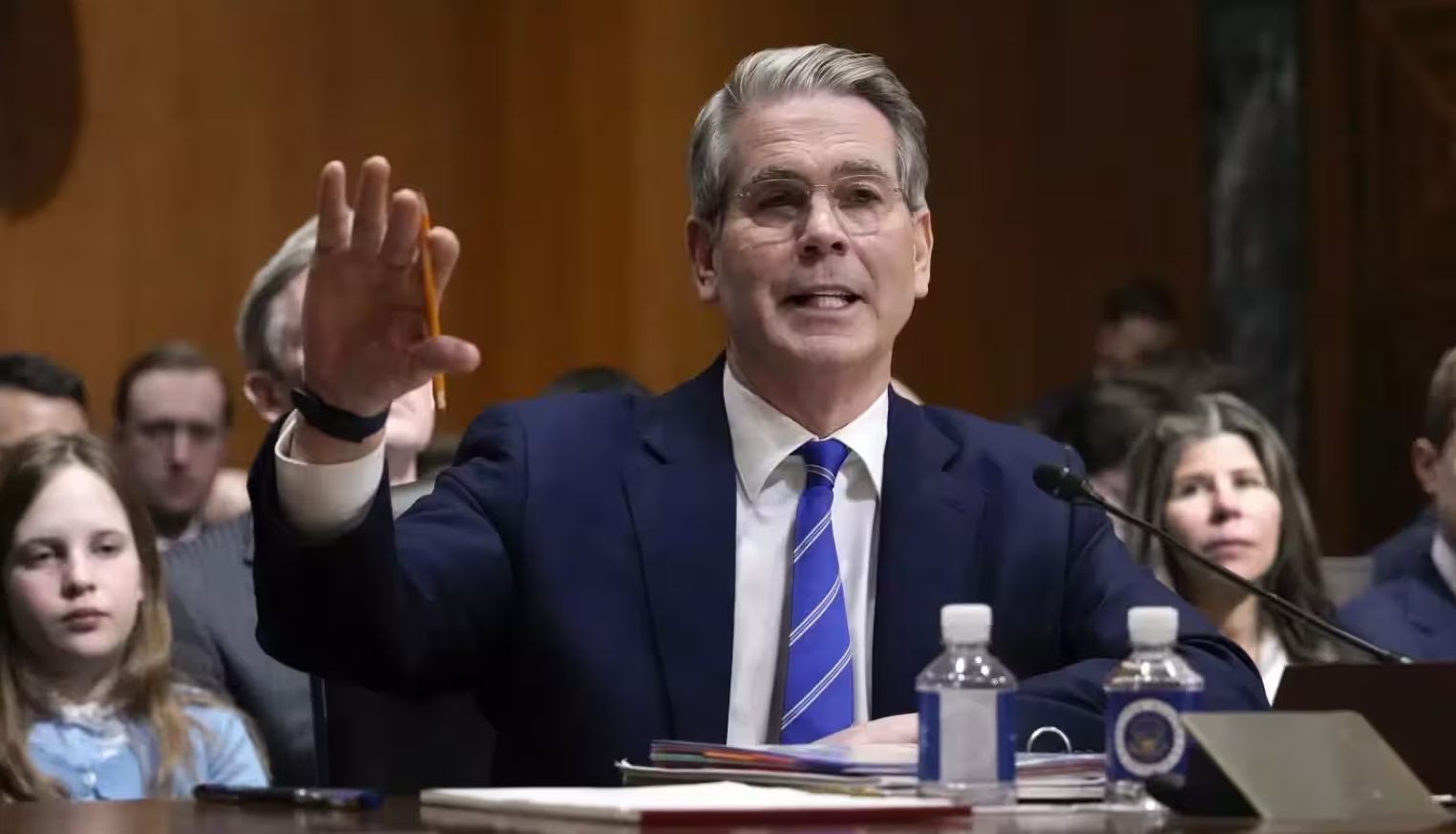
US Treasury Secretary Bessent threatens sanctions against Chinese AI model makers
AI 中文解读
美国财政部长贝森特近日放出狠话,可能对中国AI模型制造商实施制裁。核心原因是:美国认为中国公司通过“模型蒸馏”技术,偷偷“复制”了美国顶尖AI模型的能力,相当于盗用知识产权。所谓模型蒸馏,就像学生抄学霸的解题思路,把大模型的本领压缩到更小、更便宜的模型里。最近中国公司月之暗面推出的Kimi K3模型,性能媲美OpenAI和Anthropic的最强产品,而且开源免费,让美国企业纷纷“真香”下单。这下美国AI巨头坐不住了,担心自己烧钱训练模型、靠收费赚钱的生意被彻底颠覆。如果美国真的动手制裁,将首次直接打击中国AI模型公司,意味着这场AI军备竞赛全面升级。对普通人来说,短期内可能还是能用到便宜好用的中国开源模型;但长期看,如果制裁导致全球AI生态分裂,未来我们可能面临“美国版”和“中国版”AI互不相通、各玩各的局面。这不仅是技术较量,更是中美科技话语权的关键一战。
UPDATED 21:10 EDT / JULY 21 2026
AI
US Treasury Secretary Bessent threatens sanctions against Chinese AI model makers
by
Mike Wheatley
U.S. Treasury Secretary Scott Bessent said today that the White House is going to examine some of the highest profile “open-weight” models from China to see if their creators have stolen the intellectual property of America’s top artificial intelligence frontier labs.
If evidence suggests that’s the case, the U.S. could respond with sanctions against the Chinese firms found guilty, he said.
In an interview with Fox Business, Bessent (pictured) said the Trump administration supports open-source models, but is dead against IP theft. “If we see, especially, that overseas models are stealing from our great companies, we have the ability to sanction them because of this theft,” he said.
Bessent’s comments come just days after one of China’s hottest AI startups, Moonshot AI, unveiled a new open-weights model called Kimi K3 that matches the performance of OpenAI Group PBC’s and Anthropic PBC’s most advanced models. Chinese models are becoming increasingly popular with U.S. businesses, because they’re seen as more than good enough in terms of their capabilities, and cost far less money thanks to their open-source nature. It’s a trend that threatens to derail the business models of America’s top AI labs and prevent them from raising further capital.
On Monday, a report in Axios claimed that the Trump administration was even considering implementing a wholesale ban on open-source models from China, though officials have since distanced themselves from that report. Both Anthropic and OpenAI have publicly voiced concerns in recent months that foreign competitors are harvesting massive amounts of data from their models in order to use it to build their own, redeployed as open source technology. In April, the White House vowed to work with them to try and combat this perceived theft.
If the U.S. does implement sanctions against Chinese model makers, it would be a significant escalation of an increasingly bitter race to maintain leadership in the AI industry. The U.S. has already taken substantial steps to rein in China’s capabilities, restricting its access to the most advanced AI processors. But the sanctions would mark the first time it has targeted Chinese model makers directly.
China’s leading AI firms are accused of using a technique known as “model distillation,” which makes it possible to assimilate the capabilities of much larger models into smaller systems that are easier to run. The technique has been used by many American companies to create more efficient versions of their own models, and not everyone agrees it constitutes theft. One of the biggest critics of those criticizing China’s AI labs is Microsoft Chief Executive Satya Nadella, who insinuated that it’s hypocritical of American firms to make such accusations. “While the great innovation that comes from model providers having fair use rights to train models on public data is needed, I find it ironic that the status quo is to then turn around and impose restrictive terms on distillation,” he wrote in an article on X last month.
https://t.co/xv6csf1SbV
— Satya Nadella (@satyanadella) July 12, 2026
It’s hard not to see Anthropic just as guilty as the Chinese firms it’s accusing, and U.S. law appears to agree that’s the case. Earlier this week, the Claude chatbot creator revealed it would start writing checks to authors as part of a $1.5 billion settlement it had agreed after a judge ruled that it had illegally downloaded and stored millions of copyrighted books that were used to train its models. Meanwhile, OpenAI is still embroiled in its ow
分享
阅读原文 ↗